
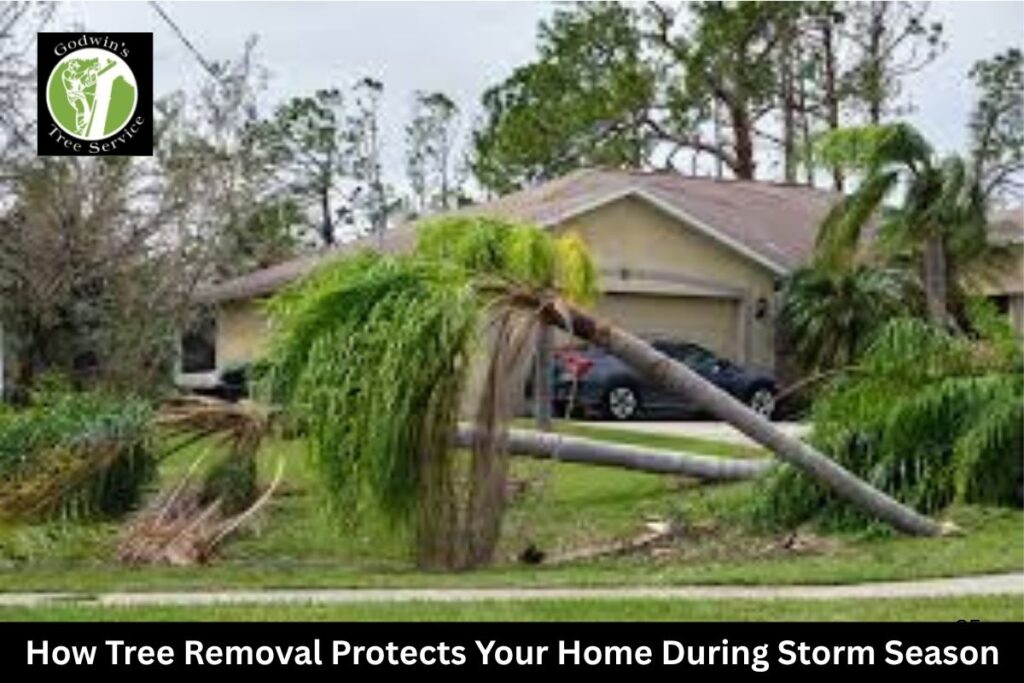
Storm season can bring strong winds, heavy rain, and sudden weather changes. During this time, trees that seemed fine before can quickly become a serious risk.
Many homeowners focus on securing windows or clearing gutters, but they often overlook trees. Weak, damaged, or overgrown trees can cause major problems when storms hit.
Understanding how tree removal protects your home during storm season can help you avoid damage and stay prepared before severe weather arrives.
Why Trees Become Dangerous During Storms
Trees are constantly exposed to weather, but storms push them beyond normal conditions. Strong winds put pressure on branches and trunks, while rain softens the soil around the roots.
This combination can lead to:
- Branches snapping under pressure
- Trees leaning or uprooting
- Weak sections breaking suddenly
- Falling limbs causing damage
A tree that looks stable in calm weather may not hold up during a storm.
How Tree Removal Helps Reduce Storm Damage
Removing certain trees before storm season can lower the chances of damage. It is not about removing every tree but identifying which ones pose a risk.
Tree removal helps by:
- Eliminating weak or unstable trees
- Reducing heavy branches that could fall
- Preventing trees from hitting your home
- Clearing space around structures
This process reduces the number of things that can go wrong during strong weather.
Common Risks Trees Pose to Your Home During Storms
Trees can affect your property in several ways when storms arrive. Some risks are immediate, while others happen within minutes.
Falling Trees on Roofs
One of the most serious risks is a tree falling directly onto your home.
This can cause:
- Roof damage
- Structural issues
- Water entering your home
Large trees near your house are especially concerning if they show signs of weakness.
Breaking Branches Causing Damage
Even if the tree does not fall, large branches can break off and land on your property.
These branches can:
- Damage cars
- Break windows
- Destroy fences
The heavier the branch, the greater the impact.
Trees Damaging Power Lines
Trees growing near power lines can become dangerous during storms.
This situation may lead to:
- Power outages
- Electrical hazards
- Increased fire risk
Branches moving in strong wind can come into contact with wires.
Uprooted Trees from Soft Soil
Heavy rain can loosen the soil, making it harder for roots to hold the tree in place.
This increases the chance of:
- Trees falling over completely
- Damage to nearby structures
- Blocked access around your property
Trees with shallow roots are more likely to fall in these conditions.
Signs a Tree May Not Survive a Storm
Some trees show warning signs before they fail. Paying attention to these signs can help you act before storm season.
- Dead or dry branches
- Cracks in the trunk
- Tree leaning more than usual
- Weak or exposed roots
- Hollow sections in the trunk
- Repeated branch breakage
If a tree shows multiple signs, it may not withstand strong weather.
When Tree Removal Is the Right Choice
Not every tree needs to be removed, but some situations make removal the safer option.
Tree removal may be needed if:
- The tree is already damaged
- It is too close to your home
- It leans toward structures
- Large branches hang over your roof
- The tree has weak roots
Removing these trees before storm season reduces the chance of unexpected damage.
Tree Trimming vs Tree Removal for Storm Preparation
Both trimming and removal play a role in preparing for storms.
Trimming focuses on:
- Cutting weak branches
- Reducing excess weight
- Improving airflow through the tree
Removal is used when:
- The entire tree is unstable
- Damage is beyond repair
- The tree poses a direct risk
Choosing between the two depends on the condition of the tree.
Additional Steps to Prepare Your Trees for Storm Season
Tree removal is one part of preparation. There are other steps you can take to reduce risk.
- Check trees regularly for damage
- Remove loose or hanging branches
- Keep space between trees and structures
- Clear debris from around the base
These steps help reduce pressure on trees during storms.
Can You Remove a Tree Yourself?
Tree removal is not a simple task. It involves cutting large sections and controlling where they fall.
Challenges include:
- Working at height
- Managing heavy branches
- Avoiding damage to nearby structures
- Handling equipment safely
Without proper experience, the risk of injury or damage increases.
Why Early Action Makes a Difference
Waiting until a storm arrives limits your options. Emergency situations are harder to manage and can lead to more damage.
Taking action before storm season allows you to:
- Identify risky trees
- Remove or trim them safely
- Prepare your property in advance
This reduces stress and helps avoid last-minute decisions.
Final Thoughts
Storm season can turn small tree issues into major problems. Weak branches, damaged trunks, and unstable roots can all lead to damage when strong weather hits.
Tree removal plays an important role in reducing these risks. By removing trees that are likely to fail, you create a safer space around your home.
For homeowners in Chesapeake, Godwins Tree Service handles tree removal with attention to safety and surrounding structures. If you have trees that may not hold up during storms, it may be time to take a closer look before the weather changes.
FAQs
No, only trees that show signs of weakness or pose a risk should be considered for removal.
Signs like dead branches, leaning, and cracks in the trunk can indicate risk.
In some cases, yes. But if the tree is unstable, removal may be necessary.
Yes, strong winds and heavy rain can affect even healthy trees, especially if the soil becomes loose.
It is better to check and take action before the storm season begins rather than waiting for severe weather.