
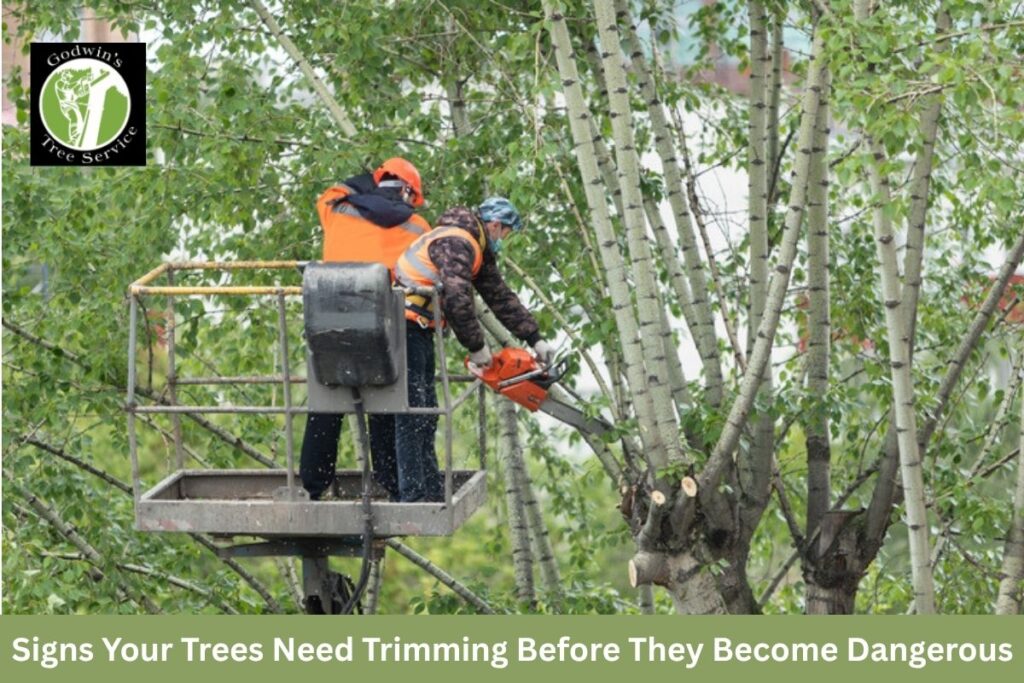
You may walk past your trees every day without giving them much thought. They look green, full, and fine from a distance. But trees don’t always show problems in obvious ways. Sometimes the early signs are small—until one day a branch falls or damage happens.
Many homeowners only think about trimming after a problem occurs. By then, the damage may already be done. Knowing what to look for early can save you from costly repairs and unexpected hazards.
If you notice certain changes in your trees, it may be time to take action before things get worse.
Why Tree Trimming Should Not Be Ignored
Trees continue to grow throughout the year. Without regular trimming, branches can become too heavy, weak, or unbalanced.
Over time, this can lead to:
- Branches breaking without warning
- Damage to roofs, cars, and fences
- Safety risks for people walking nearby
- Trees becoming unstable during storms
Trimming keeps the tree in a stable shape and removes parts that are no longer strong. It also reduces the chances of sudden breakage.
Clear Signs Your Trees Need Trimming
Some warning signs are easy to miss if you don’t know what to look for. Below are common signs that indicate your trees may need attention.
Dead or Dry Branches
Dead branches are one of the first signs. These branches no longer receive nutrients and become dry over time.
You might notice:
- No leaves on certain limbs
- Brittle wood that snaps easily
- Branches that look faded or lifeless
Dead branches can fall at any time, even without wind. Removing them early reduces the risk of injury or damage.
Branches Hanging Too Low
If branches are starting to hang close to the ground or over your driveway, it’s a sign of overgrowth.
Low branches can:
- Block pathways
- Hit vehicles
- Scratch surfaces during wind
They also make it harder to move around your yard safely.
Branches Touching Your House
Branches that grow too close to your home should never be ignored.
These can:
- Scratch walls and windows
- Damage roofing materials
- Create entry points for pests
During strong winds, even light contact can turn into serious damage.
Uneven or Heavy Tree Shape
A tree that looks unbalanced may be carrying too much weight on one side.
This can happen when:
- One side grows faster than the other
- Too many branches cluster in one area
- The tree leans slightly
An uneven tree is more likely to break during storms.
Cracks or Splits in Branches
Cracks are a sign that a branch is already weak.
These may appear after:
- Heavy winds
- Storm damage
- Excess weight from overgrowth
Even if the branch hasn’t fallen yet, it may not hold for long.
Dense Canopy Blocking Sunlight
If your yard suddenly feels darker or your grass stops growing well, your tree may be too dense.
Thick branches can:
- Block sunlight
- Reduce airflow
- Trap moisture
This can affect both the tree and your yard.
Trees Growing Too Close Together
When trees grow too close, they compete for space.
This can lead to:
- Weak branch structure
- Limited growth
- Increased chance of disease
Trimming allows better spacing and healthier growth.
What Can Happen If You Delay Tree Trimming
Ignoring early signs can lead to bigger problems. Small issues often turn into serious risks over time.
Some common outcomes include:
- Branches falling during storms
- Property damage from heavy limbs
- Injuries to people nearby
- Trees becoming unstable
- Increased pest activity in damaged wood
A tree that is not maintained can become a liability instead of an asset.
Situations That Need Immediate Attention
In some cases, waiting is not an option. Certain signs indicate a higher level of risk.
- Large dead branches over your roof
- Visible cracks in major limbs
- Branches tangled with power lines
- Tree leaning after heavy wind
- Sudden breakage of large sections
These situations should be addressed quickly to prevent accidents.
Is It Safe to Trim Trees on Your Own?
Some small branches can be handled with basic tools. However, trimming larger trees can be risky.
Common challenges include:
- Working at heights
- Controlling falling branches
- Avoiding damage to nearby structures
- Dealing with heavy limbs
Without the right tools and experience, even a simple task can become dangerous
Why Many Homeowners Choose Professional Tree Services
Tree trimming requires proper planning and care. It’s not just about cutting branches—it’s about knowing which parts to remove and how it affects the tree.
A trained team focuses on:
- Removing weak or risky branches
- Keeping the tree balanced
- Reducing stress on the tree
- Avoiding unnecessary damage
This approach keeps your tree stable and reduces future risks.
Final Thoughts
Trees are an important part of your outdoor space, but they need regular attention to stay safe. Warning signs like dead branches, overgrowth, and uneven structure should not be ignored.
Taking action at the right time can prevent damage and keep your surroundings safer. If you notice any of these signs, it may be time to consider trimming your trees before they become a bigger concern.
For homeowners in Chesapeake, services like Godwins Tree Service handle these situations with the right approach, helping you deal with potential risks before they turn into real problems.
FAQs
Most trees should be trimmed every 1 to 3 years, depending on their type and growth rate.
Late winter or early spring is often preferred, but trimming can be done when necessary for safety.
If done incorrectly, it can harm the tree. Proper trimming removes only what is needed without affecting overall health.
Dead, cracked, or hanging branches are usually signs that the branch may fall and should be removed.
If the tree is severely damaged, leaning, or unhealthy, removal may be required instead of trimming.