
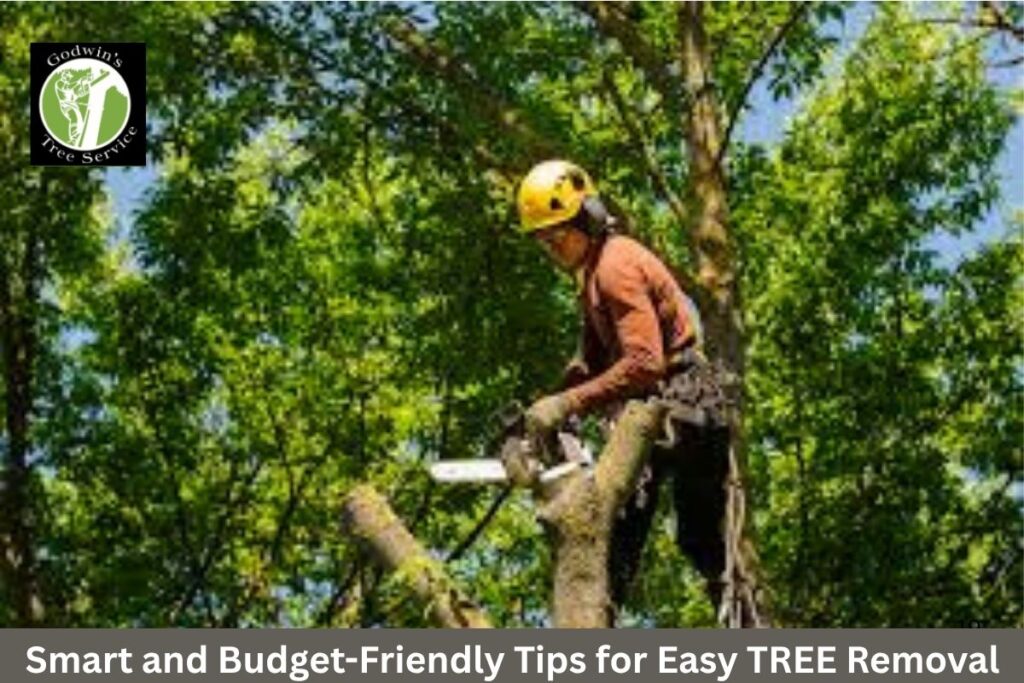
Tree care can be a tricky business, especially when it comes to pruning decisions. One method that often sparks debate among homeowners, arborists, and landscapers is tree topping. While some consider it a quick fix for large, overgrown trees, others warn of serious risks. Before you reach for that chainsaw or hire a crew for “cheap tree removal,” it’s important to understand the full picture. This post explores tree topping, its benefits, its drawbacks, and how it compares to safer alternatives. By the end, you’ll have a clearer idea of whether this practice is right for your property and your budget.
What Exactly Is Tree Topping?
Tree topping, also called topping or heading, is the practice of cutting off the upper sections of a tree’s main branches or crown. This is usually done to reduce the tree’s height, improve sunlight penetration, or prevent interference with power lines. On the surface, it might seem like a straightforward solution for large or “awkward” trees.
However, topping is more than just a haircut for your tree. Unlike strategic pruning that targets dead or weak branches, topping removes major limbs indiscriminately. This sudden removal of the canopy can shock the tree, sometimes leading to long-term damage. Homeowners often consider it because it appears quick, and some even think it’s a cheaper alternative to affordable tree removal. But is it really cost-effective in the long run?
Positive Impacts of Tree Topping
Believe it or not, tree topping isn’t all bad. When done under the right circumstances, it can provide a few temporary benefits:
- Height Control: For trees that have grown too tall near homes, fences, or power lines, topping can immediately reduce height and prevent accidents.
- Immediate Light Access: Cutting the canopy allows sunlight to reach gardens or lawns that were previously shaded, which can enhance growth for smaller plants.
- Temporary Aesthetic Appeal: A topped tree can appear tidier in the short term, especially for overgrown or neglected trees.
For those exploring low-cost tree service options, topping may seem like a viable solution because it can be cheaper upfront than full tree removal. You may also find local services offering budget tree removal or “tree cutting price” packages that include topping.
Negative Impacts You Can’t Ignore
Despite the short-term benefits, the downsides of tree topping far outweigh the positives in most cases:
- Weak New Growth: Topped branches grow back quickly but are often weakly attached and prone to breaking. This can create safety hazards, especially in storms.
- Tree Stress: Removing a large portion of the canopy forces the tree to divert energy toward new growth, making it more vulnerable to pests, diseases, and decay.
- Expensive Long-Term Damage: Although topping might seem like a cost-saving move, it can increase future stump removal costs or necessitate additional pruning. In many cases, it’s cheaper to invest in proper tree care upfront.
In short, a “cheap tree removal” mindset may be misleading if topping compromises the tree’s health or necessitates more interventions later.
Safer Alternatives to Tree Topping
Rather than stopping, consider these professional approaches:
- Crown Reduction Pruning—Selectively shortens branches without removing the main structure, maintaining strength and health.
- Thinning—Removes crowded or crossing branches to improve airflow and sunlight penetration.
- Selective Limb Removal – Focuses on dangerous or dead limbs while leaving healthy ones intact.
If you’re searching for “tree removal near me,” reputable arborists can advise whether these methods fit your situation. Often, they’re comparable in tree-cutting price to topping, but avoid long-term damage. For trees beyond repair, investing in full, affordable tree removal may be the safer, cost-effective choice.
How Topping Affects Property Value
Tree health directly influences property aesthetics and market appeal. A poorly topped tree can
- Look unsightly with stubby or irregular growth.
- Pose safety risks to homes, power lines, or vehicles.
- Require repeated, expensive maintenance.
On the other hand, healthy pruning or professional removal can enhance property value and lower liability. Using low-cost tree services strategically helps maintain a balance between budget constraints and property safety.
Cost Considerations: Topping vs. Removal
When planning tree work, understanding costs is crucial:
- Tree Removal Cost: Complete removal typically ranges based on size, species, and location. While initially higher than the top, it prevents future hazards.
- Tree Cutting Price: Topping may cost less upfront, but ongoing maintenance adds up over time.
- Stump Removal Cost: Removing a topped tree can sometimes require stump grinding to prevent decay or tripping hazards.
Looking for cheap tree removal options? Companies offering budget tree removal or affordable tree removal services may provide bundled packages that cover pruning, removal, and stump cleanup, saving you money in the long run.
Choosing the Right Service Provider
Hiring a skilled arborist is key to avoiding common tree topping mistakes:
- Check if they provide both low-cost tree service and consultation on alternatives.
- Compare multiple estimates for tree-cutting price and stump-removal cost.
- Review customer feedback and confirm insurance coverage.
For trusted options, you can explore services like Godwins Tree Service for professional guidance, fair pricing, and proper maintenance strategies.
Maintaining Healthy Trees After Topping
If topping is unavoidable, there are ways to minimize damage:
- Frequent Inspections: Monitor for weak sprouts or decay.
- Proper Fertilization: Helps trees recover energy and reduce stress.
- Gradual Pruning: Avoid removing too much canopy at once.
These measures reduce risks but don’t fully eliminate the long-term consequences. Always weigh the immediate benefit against potential future expenses, including tree removal costs or repeated cheap tree removal visits.
Final Thoughts
Tree topping might seem like a quick fix, but it comes with significant risks. While it provides immediate height reduction and light access, weak growth, tree stress, and higher long-term maintenance costs make it a gamble. Safer alternatives like crown reduction, thinning, or selective limb removal often deliver better results for both tree health and property safety.
Investing in a reputable service, comparing tree-cutting prices, and understanding stump-removal costs can save money while keeping your trees healthy. Whether you need affordable tree removal, budget tree removal, or low-cost tree service, proper planning beats shortcuts every time.
FAQs
No. Topping is generally unsafe for most species as it weakens branches, stresses the tree, and increases disease risk.
Costs vary based on tree size, height, and location. On average, it can be less than the full cost of tree removal, but maintenance may add up.
Some trees survive, but many develop weak, unsightly, or hazardous growth. Proper pruning is typically a safer approach.
Yes. Crown reduction, thinning, and selective pruning are safer alternatives that can often match the cost of topping without harming tree health.
Searching for “tree removal near me” or using trusted providers like Godwins Tree Service ensures professional and safe service.