
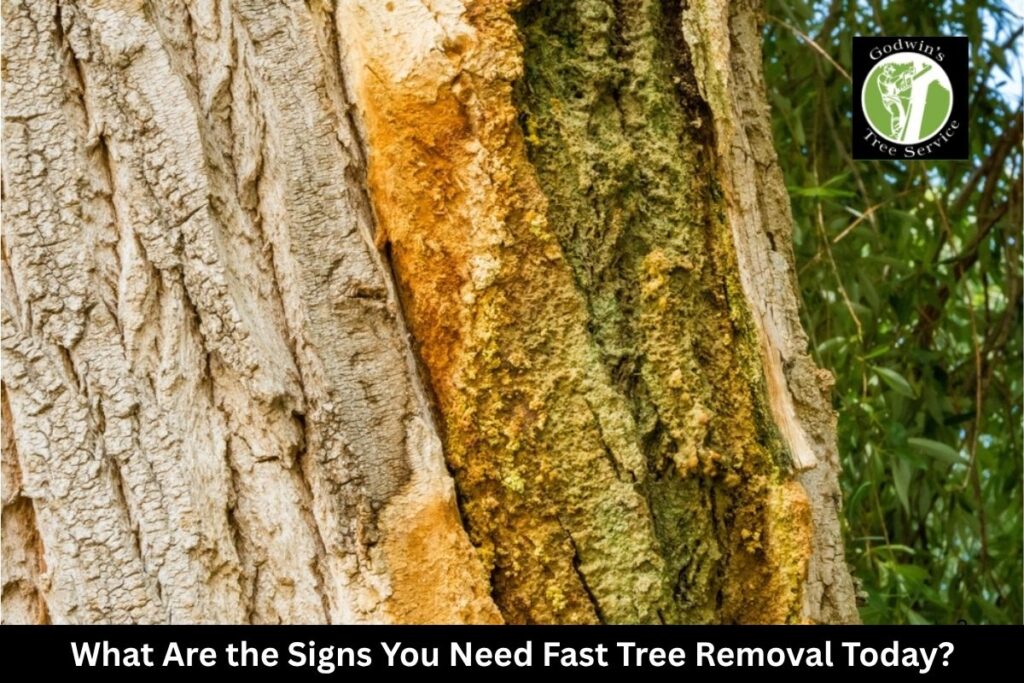
Trees make any property look more beautiful and welcoming. They provide shade during hot summers, improve curb appeal, and even increase property value. However, not every tree remains safe forever. Over time, trees can become weak, diseased, storm-damaged, or dangerously unstable. When that happens, waiting too long to act can lead to expensive property damage or serious safety risks.
Many homeowners ignore early warning signs because the tree still looks healthy from a distance. Unfortunately, hidden damage inside the trunk or root system can quickly turn a tree into a major hazard. One strong storm, heavy rainfall, or sudden wind gust may cause branches—or even the entire tree—to collapse without warning.
That’s why it’s important to recognize the signs you need tree removal fast. Knowing when a tree becomes dangerous can help protect your home, vehicles, power lines, and loved ones. In this guide, we’ll walk through the most common warning signs, explain why they matter, and help you understand when it’s time to call a professional tree removal service before the problem gets worse.
Large Dead Branches Falling From the Tree
One of the clearest signs a tree needs immediate attention is falling branches. Dead or broken limbs are more than just an inconvenience. They can become dangerous projectiles during storms or windy weather.
Sometimes homeowners notice large branches scattered around the yard after mild wind. While a few small twigs are normal, heavy branches falling repeatedly usually signal internal decay or structural weakness. Dead limbs often lose flexibility and become brittle, making them more likely to snap unexpectedly.
In many cases, the upper part of the tree dies first while the lower area still looks alive. This condition is known as crown dieback. It often indicates the tree is struggling internally and may not recover. If large branches continue falling, professional inspection and possible tree removal should happen quickly.
The Tree Is Leaning More Than Before
Not every leaning tree is dangerous. Some trees naturally grow at slight angles. However, a tree that suddenly starts leaning after a storm or heavy rain may have serious root damage underground.
A rapidly leaning tree is often unstable. Cracked soil around the base or exposed roots can indicate the tree is beginning to uproot. Once roots lose their grip, the entire tree can fall with little warning.
This becomes even more dangerous when the tree is close to:
- homes
- driveways
- garages
- sidewalks
- power lines
If you notice a new or worsening lean, don’t ignore it. The earlier a professional evaluates the tree, the safer your property will be.
Deep Cracks in the Trunk
Healthy tree trunks are usually solid and stable. However, visible cracks or splits in the trunk often indicate structural failure inside the tree.
Small surface cracks may not always be serious. Still, deep vertical splits or large openings can weaken the entire structure. Over time, moisture enters these cracks and speeds up decay from the inside out.
In some cases, the tree may appear healthy because leaves are still growing. Unfortunately, internal damage can remain hidden beneath the bark. Trees with major trunk cracks are far more likely to collapse during storms or strong winds.
If you see large cracks spreading across the trunk, it’s important to schedule a professional tree inspection immediately.
The Tree Looks Dead or Dying
A dead tree is one of the biggest safety risks on any property. Unlike healthy trees, dead trees become dry, brittle, and unstable very quickly.
There are several signs a tree may be dying:
- peeling bark
- no leaves during growing season
- hollow trunk
- brittle branches
- fungus growth
- sudden leaf loss
Many homeowners wait too long because parts of the tree still appear alive. However, partial death can still make the tree dangerous. Dead branches can fall at any time, especially during bad weather.
Additionally, dying trees often attract termites, carpenter ants, and other pests. Removing the tree early can help prevent future infestations around your property.
Fungus Growing Around the Base
Mushrooms or fungus near the base of a tree may look harmless, but they can signal serious internal decay below the surface.
Fungal growth often means the tree’s root system is rotting underground. Since roots provide stability and nutrients, root decay can weaken the entire structure of the tree.
Unfortunately, root damage is difficult for homeowners to spot early. By the time mushrooms appear, the decay may already be advanced. This is especially concerning for large trees located close to homes or heavily used areas.
If you notice fungal growth around the trunk or roots, it’s smart to contact a tree professional before the situation becomes dangerous.
Storm Damage Has Weakened the Tree
Strong storms can cause hidden structural damage even if the tree remains standing afterward. Homeowners especially understand how hurricanes, heavy rain, and strong winds affect trees every year.
Sometimes damage is obvious, such as:
- split trunks
- hanging branches
- broken tops
However, other forms of damage are harder to notice immediately. A tree may suffer root stress or internal cracking during storms without showing clear signs right away.
That’s why post-storm inspections are extremely important. A weakened tree may survive one storm but fail during the next. Acting quickly can prevent costly emergency situations later.
The Roots Are Damaging Your Property
Tree roots grow naturally in search of water and nutrients. Unfortunately, aggressive roots can also damage:
- sidewalks
- driveways
- patios
- plumbing
- foundations
When roots begin lifting concrete or cracking pavement, the tree may already be too close to important structures. Large roots can also interfere with underground pipes and drainage systems.
Ignoring root problems often leads to expensive repairs later. In some situations, removing the tree becomes the safest and most cost-effective solution.
A professional tree company can evaluate whether root pruning, trimming, or complete removal is the best option for your property.
The Tree Is Too Close to Your Home
Trees planted too close to houses can create several long-term problems. Overhanging limbs may scrape roofs, clog gutters, or break windows during storms.
As trees continue growing, roots may also spread beneath foundations and underground utility lines. Large trees located close to homes can become extremely dangerous if they begin leaning or weakening.
In addition, branches hanging over your roof increase the risk of storm damage during hurricane season. Even healthy trees may need removal if they threaten the safety of nearby structures.
Keeping a safe distance between large trees and buildings helps reduce future risks and maintenance costs.
Why Fast Tree Removal Matters
Many homeowners delay tree removal because the tree hasn’t caused damage yet. Unfortunately, waiting too long often leads to more expensive problems later.
A weakened tree rarely improves on its own. Over time, decay spreads, branches weaken, and structural stability decreases. One strong storm could suddenly turn a manageable issue into a major emergency.
Fast tree removal helps:
- protect your home
- prevent injuries
- reduce liability risks
- avoid costly repairs
- improve property safety
More importantly, early removal gives professionals better control over the process. Emergency removals after storms are usually more dangerous and expensive than scheduled removals.
Why You Should Always Hire Professionals
Tree removal is one of the most dangerous outdoor jobs. Climbing unstable trees, cutting heavy limbs, and working near structures require skill and specialized equipment.
Professional tree removal crews understand how to safely remove dangerous trees without damaging surrounding property. They also carry insurance and safety gear designed for hazardous situations.
Trying to remove a large or damaged tree yourself can lead to serious injuries or costly property damage. Hiring experienced professionals protects both your family and your investment.
Most importantly, a trusted tree service company can identify hidden risks that homeowners may overlook.
Final Thoughts
Trees are valuable parts of any property, but damaged or unstable trees can quickly become dangerous. Learning the signs you need tree removal fast can help you avoid major safety risks and expensive repairs.
Whether you notice falling branches, trunk cracks, root damage, or storm-related issues, acting early is always the smarter choice. Ignoring warning signs only increases the chances of future emergencies.
If you suspect a tree on your property may be unsafe, don’t wait for the next storm to make the decision for you. Contact a professional tree removal company and schedule an inspection before the problem becomes worse.
FAQs
How do I know if a tree is dangerous?
Signs like leaning, dead branches, trunk cracks, and root damage often indicate a dangerous tree.
Can a leaning tree be saved?
Sometimes. However, sudden leaning after storms usually requires immediate professional evaluation.
Is a hollow tree always dangerous?
Not always, but large hollow areas can weaken the tree and increase the risk of collapse.
Should I remove a dead tree immediately?
Yes. Dead trees become unstable quickly and can fall without warning.
Can storms damage healthy trees?
Yes. Strong winds and heavy rain can weaken roots and internal structure even in healthy trees.
Why are falling branches dangerous?
Large branches can injure people, damage vehicles, and destroy roofs or fences.
Does homeowners insurance cover tree removal?
Insurance may cover removal if the tree damages an insured structure during a covered event.
When should I call a professional tree service?
Call immediately if you notice leaning, decay, large cracks, or storm damage.