
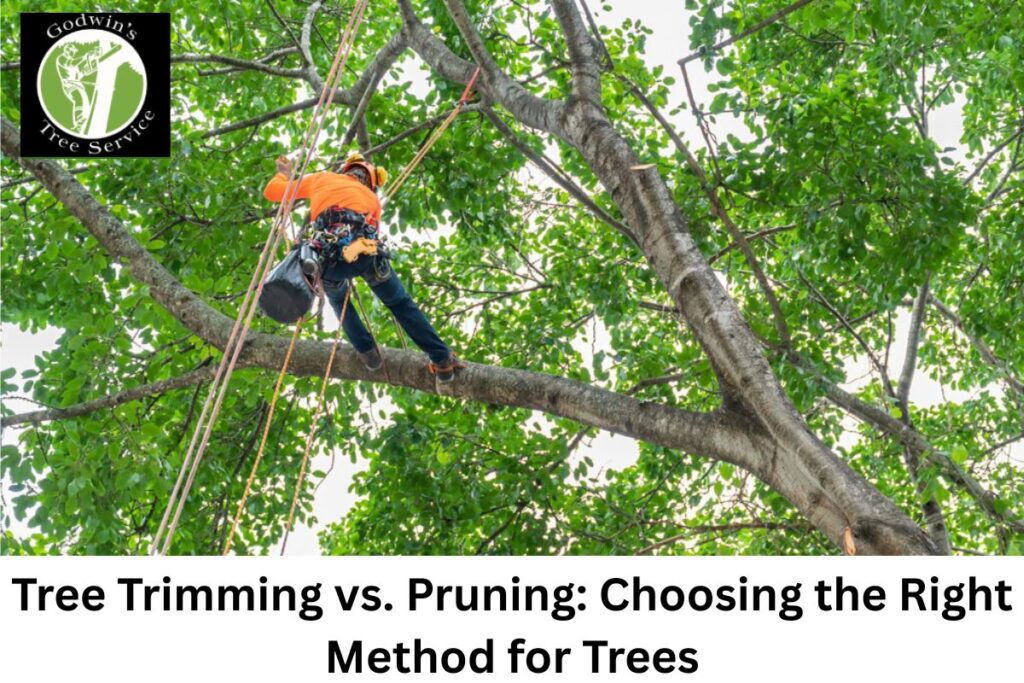
Trees are more than just part of your landscape; they’re living assets that add beauty, shade, and value to your property. However, keeping them healthy and visually appealing requires more than occasional watering. That’s where tree trimming and tree pruning come into play. While many homeowners use these terms interchangeably, they serve different purposes and require different techniques. Understanding the difference can help you make smarter decisions for long-term tree care.
Now, you might be wondering: “Do I need trimming or pruning?” That’s a fair question. Choosing the right method not only improves your tree’s health but also enhances safety and aesthetics. In this guide, we’ll break everything down in a simple, engaging way so you can confidently decide when to call a tree trimming service or a tree pruning service. Let’s dig in and help your trees thrive.
What Is Tree Trimming? Keep Your Trees Looking Sharp
Tree trimming focuses on maintaining your tree’s shape and appearance. In simple terms, it’s like giving your tree a haircut. You remove overgrown branches to keep things neat and balanced.
This method is often used for decorative purposes. For example, if branches are sticking out unevenly or blocking sunlight, trimming helps restore order. It’s especially useful for residential properties where curb appeal matters.
Key benefits of tree trimming include:
- Enhancing the overall appearance of your landscape
- Removing overgrown or unsightly branches
- Improving sunlight exposure
- Preventing branches from interfering with power lines
Moreover, professional tree trimming ensures that the job is done safely. Climbing trees and cutting branches isn’t as easy as it looks, so hiring experts can save you time and risk.
What Is Tree Pruning? Focus on Health and Growth
Unlike trimming, tree pruning is all about the health of your tree. It involves selectively removing dead, diseased, or damaged branches to encourage better growth.
Think of pruning as preventative care. By eliminating weak or infected limbs, you reduce the risk of disease spreading. As a result, your tree becomes stronger and more resilient.
Common reasons for tree pruning include:
- Removing dead or dying branches
- Preventing disease and pest infestations
- Encouraging healthy growth patterns
- Improving structural integrity
In addition, a professional arborist often handles pruning because it requires knowledge of tree biology. Proper cuts make a big difference in how the tree heals and grows.
Tree Trimming vs. Tree Pruning: Key Differences Explained
Although both practices involve cutting branches, their goals differ significantly. Understanding these differences helps you choose the right service.
Tree trimming is mainly aesthetic, while tree pruning is more technical and health-focused. Timing also varies. Trimming can be done more frequently, whereas pruning is often seasonal.
Here’s a quick comparison:
- Purpose:
- Trimming = appearance
- Pruning = health
- Frequency:
- Trimming = regular
- Pruning = seasonal
- Skill level:
- Trimming = moderate
- Pruning = requires expertise
- Tools used:
- Both use similar tools, but pruning demands precision
So, when you search for “trimming near me,” make sure you know which service you actually need.
When Should You Trim Your Trees?
Timing is everything when it comes to tree trimming. While it can be done year-round, certain seasons yield better results.
Late spring and summer are ideal for shaping trees. During this time, growth is active, and trees recover quickly. However, avoid excessive trimming during extreme heat or cold.
Signs your tree needs trimming:
- Branches look uneven or overgrown
- Leaves block sunlight from your yard
- Branches touch your roof or windows
- The tree looks unbalanced
Regular trimming also reduces hazards. Overgrown branches can fall during storms, causing damage or injury.
When Is Tree Pruning Necessary?
Tree pruning requires more careful timing. Most experts recommend pruning during the dormant season, typically late fall or winter.
During this period, trees are less active, which reduces stress and promotes faster healing. Additionally, it’s easier to see the structure of the tree without leaves.
You should prune your tree if:
- There are dead or diseased branches
- You notice signs of decay
- Branches are crossing or rubbing together
- The tree shows poor growth patterns
Hiring a tree pruning service ensures proper technique. Improper pruning can harm your tree rather than help it.
The Role of Professional Tree Services
While DIY might seem tempting, tree work can be dangerous and complex. That’s why many homeowners rely on a tree trimming service or pruning experts.
Professionals bring the right tools and experience. They also understand how different species respond to cuts. As a result, your tree gets the care it truly needs.
Advantages of hiring professionals:
- Increased safety
- Proper techniques and tools
- Time and effort savings
- Long-term tree health
If you’re looking for reliable help, you can explore a trusted service for expert tree maintenance solutions.
Understanding Tree Trimming Cost and Value
Cost is often a deciding factor. However, it’s important to view tree-trimming costs as an investment rather than an expense.
Prices vary depending on tree size, location, and complexity. For instance, trimming a small tree is much cheaper than handling a large, mature one.
Factors that influence cost:
- Tree height and size
- Accessibility
- Number of branches
- Equipment required
Although professional services may seem pricey upfront, they prevent costly damage in the long run. Proper tree care reduces risks and extends the life of your trees.
How Tree Maintenance Impacts Your Property
Consistent tree maintenance does more than keep your yard looking nice. It also boosts property value and ensures safety.
Healthy trees provide shade, improve air quality, and create a welcoming environment. On the other hand, neglected trees can become hazards.
Benefits of regular maintenance:
- Increased property value
- Improved safety
- Better tree health
- Enhanced curb appeal
Therefore, combining both trimming and pruning as needed creates a balanced approach to tree care.
Final Thoughts
At the end of the day, choosing between tree trimming and tree pruning depends on your goals. If you want a polished look, trimming is the way to go. However, if your priority is health and longevity, pruning is essential.
In many cases, you’ll need both. A well-maintained tree benefits from regular trimming and occasional pruning. By understanding the difference, you can take better care of your landscape and avoid unnecessary problems.
So, the next time you think about tree care, ask yourself what your tree really needs. Then, take action, because healthy trees make a healthy home.
FAQs
No, trimming focuses on appearance, while pruning improves the tree’s health and structure.
Most trees benefit from trimming once or twice a year, depending on growth rate.
You can handle minor pruning, but for larger trees, it’s best to hire an arborist.
Costs vary widely and typically depend on tree size, location, and complexity.
Late fall or winter is ideal since trees are dormant during this period.
Comments are closed.