
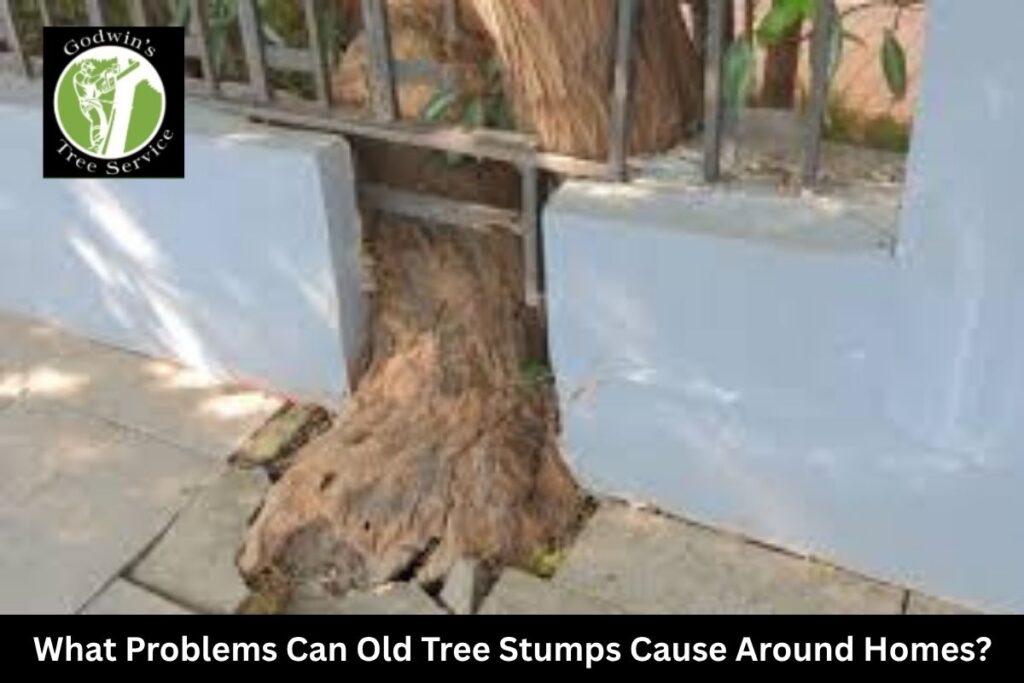
After a tree is removed, many homeowners believe the hard work is finished. The tree is gone, the yard looks cleaner, and everything appears safe again. However, one major problem often remains behind — the old tree stump. At first, a stump may not seem like a serious issue. In fact, many people leave stumps untouched for years because they think removing them is unnecessary or too expensive.
Unfortunately, old tree stumps can create far more problems than most homeowners realize. Over time, stumps slowly decay, attract pests, damage landscaping, and become dangerous obstacles around the yard. What starts as a small leftover piece of wood can eventually turn into a costly and frustrating problem.
where humidity, storms, and moisture create ideal conditions for decay and insects, tree stumps become even more problematic. Whether the stump is large or small, ignoring it for too long may affect both the appearance and safety of your property.
In this guide, we’ll explain the most common problems old tree stumps can cause, why stump grinding matters, and how professional removal helps protect your home and landscape in the long run.
Old Tree Stumps Attract Pests and Insects
One of the biggest problems with old tree stumps is pest activity. As stumps begin decaying, they create the perfect environment for insects looking for food and shelter.
Termites, carpenter ants, beetles, and other wood-destroying pests are especially attracted to rotting wood. Once these insects settle into the stump, they may eventually spread to nearby healthy trees, fences, sheds, or even your home.
In warm and humid climate, pest infestations can grow quickly. Moisture speeds up wood decay, making old stumps even more attractive to insects over time. Unfortunately, many homeowners do not notice the infestation until pests begin spreading throughout the property.
Removing the stump early helps eliminate a major breeding ground before the situation becomes more serious and expensive.
Tree Stumps Can Become Dangerous Safety Hazards
Old stumps are easy to ignore until someone trips over one unexpectedly. Tree stumps create serious safety risks, especially in yards where children play or guests walk regularly.
Low stumps hidden by grass become difficult to see, particularly during evening hours or after landscaping growth increases. A simple trip over a stump can lead to injuries like twisted ankles, cuts, or falls.
Stumps also create hazards when mowing the lawn. Hitting a hidden stump with a mower can damage equipment and potentially send debris flying dangerously through the yard.
For homeowners with outdoor entertaining spaces, safety should always come first. Removing stumps helps create a cleaner, smoother, and safer landscape for everyone using the property.
Stumps Make Your Yard Look Unfinished
Even a beautiful yard can lose its appeal when an old stump sits in the middle of the landscape. Tree stumps often make outdoor spaces look neglected or incomplete.
Over time, stumps become darker, cracked, and covered with fungus or weeds. Instead of improving your curb appeal, they become distracting eyesores that hurt the overall appearance of the property.
This can become especially important if you plan to sell your home. Buyers usually prefer clean, open yards without leftover tree debris. An old stump may suggest poor maintenance or future landscaping problems.
Professional stump grinding improves the appearance of your yard almost immediately. Once the stump is removed, homeowners gain more usable space and a cleaner outdoor environment.
Old Stumps Can Spread Tree Diseases
Diseased trees often leave dangerous fungi and bacteria behind even after removal. If the stump remains in the ground, the infection may continue spreading underground through the root system.
This becomes especially concerning when nearby trees share root networks or grow close together. Fungal diseases can slowly spread from the old stump to healthy trees surrounding your property.
In some cases, homeowners remove a dead tree but unknowingly leave the source of the disease underground. Over time, nearby plants may begin showing similar signs of decay or stress.
Professional stump removal helps reduce the risk of disease spreading further throughout your landscape. Eliminating the infected stump protects the long-term health of nearby trees and plants.
Tree Roots May Continue Causing Problems
Many people assume tree roots stop growing immediately after the tree is cut down. Unfortunately, that is not always true. Some root systems continue spreading or producing small shoots long after the tree is removed.
These leftover roots may:
- crack sidewalks
- damage driveways
- interfere with plumbing
- disrupt landscaping
- create uneven ground
Additionally, new sprouts sometimes grow directly from the old stump or root system. These small shoots drain nutrients from the soil and become difficult to control over time.
Stump grinding helps stop future root-related problems before they become expensive repair issues.
Stumps Attract Mold and Fungal Growth
As tree stumps decay, moisture becomes trapped inside the wood. This creates ideal conditions for mold, mushrooms, and fungal growth around the stump area.
While some fungi appear harmless, others can spread quickly and affect nearby plants or trees. Excess moisture around decaying wood may also attract unwanted insects and create unpleasant odors in the yard.
Mushrooms growing around a stump often indicate advanced internal decay underground. In humid climate, fungal growth can accelerate much faster than homeowners expect.
Removing the stump helps reduce excess moisture buildup and keeps your landscape healthier overall.
Old Stumps Waste Valuable Yard Space
Large stumps take up valuable outdoor space that could be used for better purposes. Whether you want to install a patio, plant grass, build a garden, or expand landscaping, leftover stumps often become obstacles.
Many homeowners delay backyard improvement projects because roots and stumps make excavation difficult. Even small stumps can interfere with:
- fencing projects
- drainage systems
- outdoor seating areas
- playgrounds
- new landscaping designs
Professional stump grinding clears the area completely, giving homeowners more flexibility to improve their property however they choose.
A smooth and open yard also becomes easier to maintain long-term.
Stump Grinding Improves Lawn Maintenance
Mowing around old stumps becomes frustrating very quickly. Homeowners must constantly maneuver lawn equipment carefully to avoid damaging blades or tires.
In addition, weeds and grass often grow unevenly around the stump area, creating an untidy appearance. Some stumps even encourage invasive plant growth because decaying wood changes soil conditions nearby.
After stump grinding, lawn care becomes much simpler. Homeowners can mow smoothly across the yard without obstacles or dangerous hidden roots.
A cleaner lawn also improves overall landscaping quality and reduces maintenance headaches throughout the year.
Why Professional Stump Grinding Is the Best Solution
Some homeowners attempt DIY stump removal, but removing stumps properly requires specialized equipment and experience. Large stumps often extend deep underground with complex root systems.
Professional stump grinding removes the visible stump while breaking it down below ground level. This process helps prevent regrowth and allows the area to blend naturally into the landscape.
Professional crews also understand how to avoid damaging nearby:
- utilities
- irrigation systems
- sidewalks
- landscaping
Most importantly, hiring professionals saves time and physical labor. Instead of struggling with heavy tools and stubborn roots, homeowners can rely on experienced experts to complete the job safely and efficiently.
Why Homeowners Should Remove Stumps Quickly
Climate creates ideal conditions for rapid stump decay and pest activity. High humidity, warm temperatures, and seasonal storms speed up the breakdown process significantly.
As stumps decay faster, they become more attractive to termites, fungi, and insects. Heavy rain can also soften surrounding soil, increasing tripping hazards and root movement underground.
Removing stumps early helps homeowners avoid:
- pest infestations
- lawn damage
- safety risks
- disease spread
- costly repairs
Taking care of the problem now prevents much bigger landscaping issues later.
Final Thoughts
So, what problems can old tree stumps cause? The answer is more serious than many homeowners expect. Old stumps attract pests, spread disease, create safety hazards, damage landscaping, and make properties look neglected.
Although leaving a stump behind may seem harmless at first, the problems usually grow worse over time. Removing the stump early helps protect your property, improve curb appeal, and create a safer outdoor environment.
If you still have old tree stumps in your yard, now is the perfect time to consider professional stump grinding. A cleaner and healthier landscape starts with removing what no longer belongs there.
FAQs
Why should old tree stumps be removed?
Old stumps can attract pests, spread disease, create safety hazards, and damage landscaping over time.
Do tree stumps attract termites?
Yes. Decaying wood attracts termites, carpenter ants, beetles, and other wood-destroying insects.
Can tree roots continue growing after removal?
Some roots may continue spreading or producing small shoots even after the tree is cut down.
Is stump grinding better than stump removal?
Stump grinding is often faster, less invasive, and more affordable for most residential properties.
Are old tree stumps dangerous?
Yes. Stumps create tripping hazards and may damage lawn equipment during mowing.
Can a tree stump spread disease?
Yes. Diseased stumps may spread fungi or bacteria to nearby healthy trees through root systems.
How long does stump grinding take?
Most residential stump grinding jobs take a few hours depending on stump size and root depth.
Will grass grow after stump grinding?
Yes. Once grinding is complete and debris is removed, grass or landscaping can usually grow normally.