
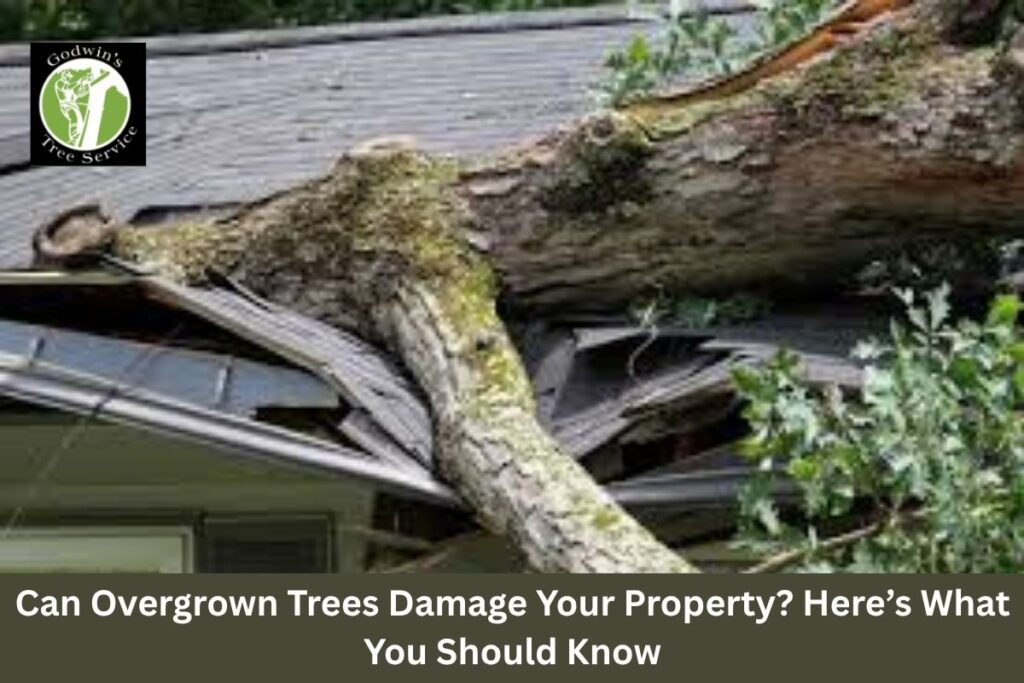
You might like the look of a full, leafy tree in your yard. It gives shade, privacy, and makes the space feel complete. But when a tree grows too much without being trimmed, it can slowly start affecting your home.
At first, it may just be a branch touching your roof or leaves falling into your gutters. Over time, these small issues can turn into damage that costs money and creates safety concerns.
Knowing how overgrown trees affect your property can help you deal with the problem early instead of reacting later.
Why Overgrown Trees Become a Problem
Trees do not stop growing on their own. Branches keep extending outward and upward. As they grow, they become heavier and harder to control.
Without trimming, this growth can:
- Push branches toward your home
- Add weight to already weak limbs
- Block air and sunlight
- Make the tree uneven
What looks like healthy growth can slowly turn into a risk for your property.
Common Ways Overgrown Trees Damage Your Property
Overgrown trees can affect different parts of your home. Some damage happens quickly, while other problems develop slowly over time.
Roof Damage from Overhanging Branches
Branches that extend over your roof can cause direct and indirect damage.
You may notice:
- Scratches on shingles
- Loose roofing material
- Debris collecting in roof corners
When wind moves these branches, they can hit the roof repeatedly. Over time, this weakens the surface and may lead to leaks.
Gutters Getting Blocked
Leaves and small branches often fall into gutters when trees are overgrown.
This can cause:
- Water buildup in gutters
- Overflow during rain
- Water running down walls
When water does not drain properly, it can reach areas it should not, including your foundation.
Damage to Walls and Windows
Branches that grow too close to your house can rub against the exterior.
This can lead to:
- Scratched paint or siding
- Marks on windows
- Small cracks over time
Even light contact becomes a problem when it happens again and again.
Risk Near Power Lines
Trees growing close to power lines can create serious situations.
Possible issues include:
- Interference with electrical lines
- Power interruptions
- Fire hazards in dry conditions
This is not something to ignore, especially if branches are already touching wires.
Falling Branches During Storms
Overgrown branches carry more weight. If they are weak or damaged, they can break easily.
Falling branches may:
- Hit your car
- Damage fences
- Injure someone nearby
Storms make this risk even higher.
Effect on Your Yard and Plants
Overgrown trees do not just affect structures. They also change how your yard behaves.
You may see:
- Grass not growing well
- Too much shade in certain areas
- Plants struggling to survive
When sunlight is blocked for long periods, your yard loses balance.
Hidden Problems You Might Not Notice
Some damage caused by overgrown trees is not visible right away. It builds up slowly and becomes clear only after some time.
These hidden issues can include:
- Moisture staying on your roof for longer periods
- Growth of mold or mildew on shaded surfaces
- Insects settling in dense branches
- Weak limbs hidden inside thick foliage
By the time these problems are visible, they may already need more work to fix.
Signs Your Trees Are Overgrown
It is easier to act when you know what to look for. These signs show that your tree may need trimming.
- Branches touching your roof or walls
- Leaves filling gutters quickly
- Tree canopy looking too thick
- Branches hanging lower than before
- Tree shape looking uneven
- Reduced sunlight in your yard
If you notice more than one of these signs, your tree may be growing beyond control.
What Happens If You Ignore the Problem
Waiting too long can make the situation worse. What starts as a minor issue can turn into something more serious.
Possible outcomes include:
- Roof repairs due to ongoing contact
- Water damage from clogged gutters
- Broken branches during storms
- Higher costs for removal instead of trimming
- Safety risks for people around your home
Taking action early usually keeps things simple and manageable.
Is It Okay to Trim Trees Yourself?
You might think about cutting a few branches on your own. For small and low branches, this may be possible.
However, larger trees bring challenges such as:
- Reaching high areas
- Handling heavy branches
- Avoiding damage to your home
- Staying clear of power lines
Without proper tools, the risk increases quickly. One wrong cut can lead to injury or damage.
How Regular Tree Trimming Protects Your Property
Keeping your trees trimmed keeps them under control and reduces risks.
It allows you to:
- Keep branches away from your home
- Reduce weight on large limbs
- Maintain balanced growth
- Lower the chances of breakage
Regular care also keeps your yard in better shape and easier to maintain.
When You Should Take Action
There are times when trimming should not be delayed.
You should act if:
- Branches are already touching your house
- You notice cracks in large limbs
- The tree looks uneven or leaning
- Storm damage has already occurred
- Branches are close to power lines
In these cases, waiting can lead to bigger problems.
Final Thoughts
Overgrown trees may not seem like a serious issue at first, but they can slowly affect your property in different ways. From roof damage to blocked gutters and falling branches, the risks increase as the tree continues to grow without control.
Paying attention to early signs makes a big difference. If your trees are getting too close to your home or showing signs of overgrowth, it may be time to take action.
For homeowners in Chesapeake, Godwins Tree Service handles tree trimming work with care, helping reduce the chances of damage before it becomes a bigger concern.
FAQs
Yes, branches can damage roofs, walls, and gutters over time, especially during windy conditions.
Branches touching or hanging directly over your roof or walls should be trimmed to avoid damage.
Yes, neglected trees can make a property look unmaintained and may lead to structural issues.
Most trees should be checked every year and trimmed every 1 to 3 years depending on growth.
Yes, in some cases roots can affect foundations, driveways, and underground pipes if not managed properly.